You know the feeling. A room looks almost right, but something's nagging at you and you can't quite name it. Nine times out of ten, it's not one big thing — it's a handful of small, fixable habits. Here are five of the most common ones I see (and the easy fixes for each).
1. The Empty Corner Nobody Gave a Job To
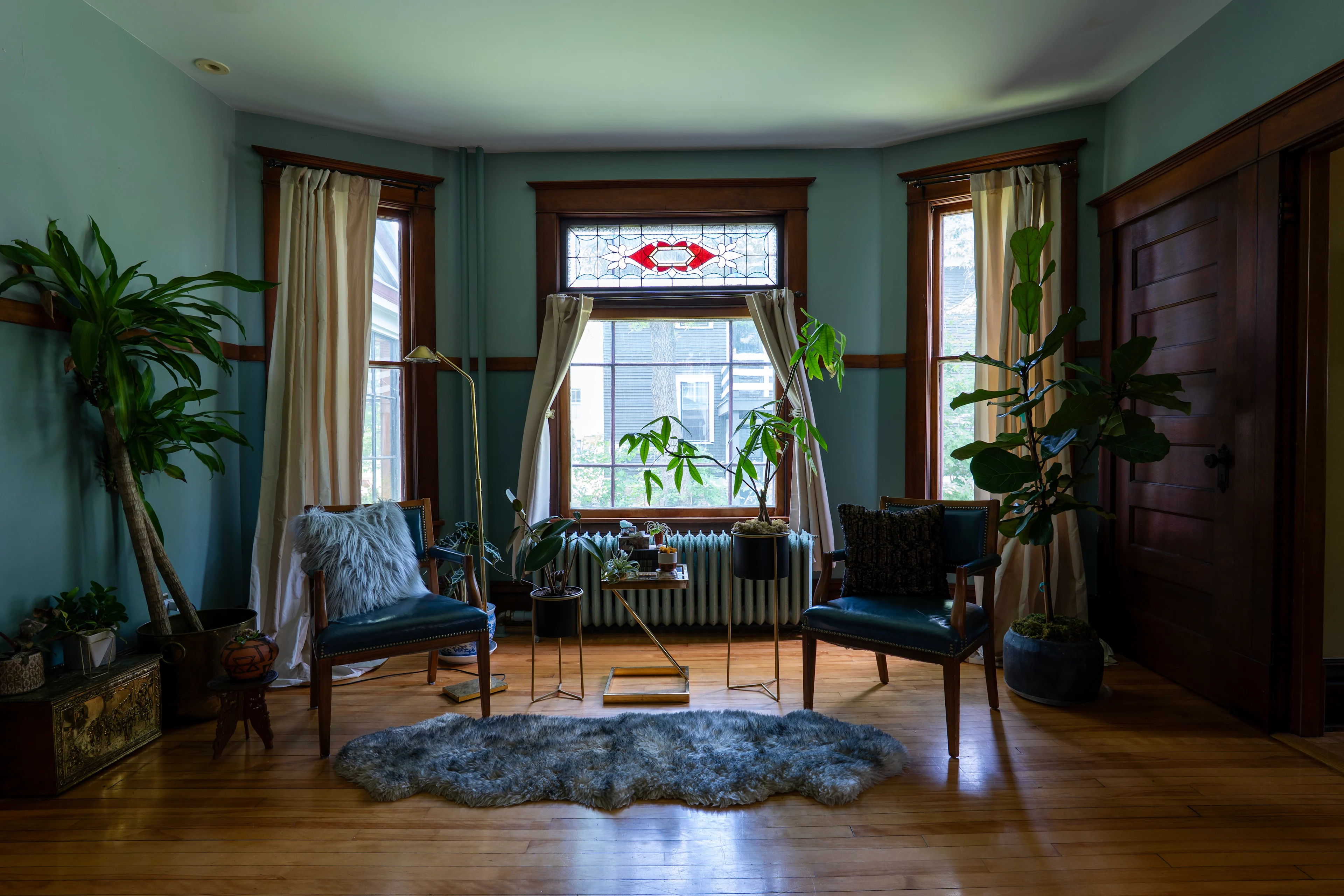
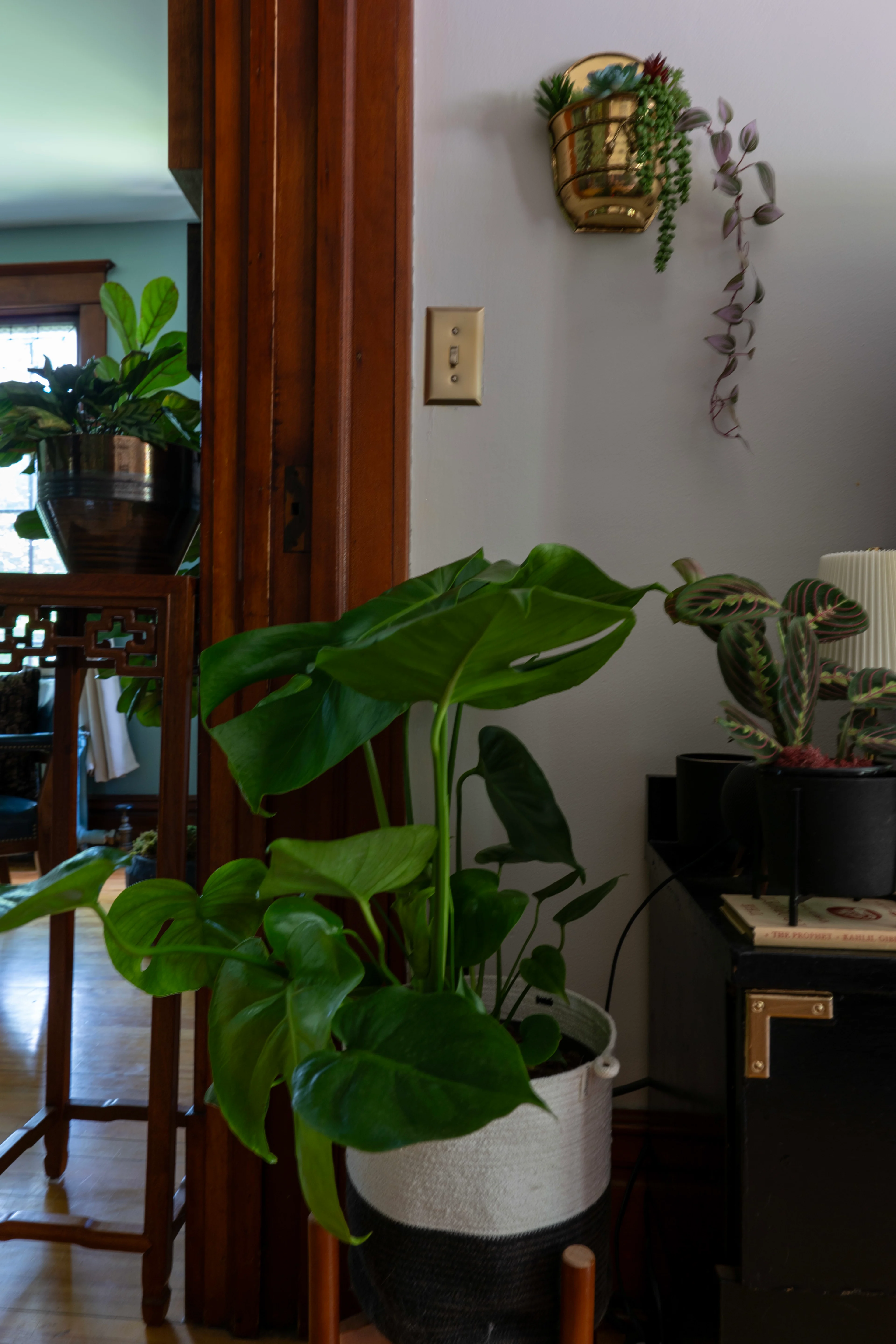
Every room has one — that dead patch of space that just... exists. The fix is simpler than you'd think: every corner wants a plant, a floor lamp, or a chair (even one nobody really sits in). The magic happens when you layer heights — a plant reaching up, a lamp glowing at eye level, a chair grounding it low. Suddenly "empty" becomes the best-looking spot in the room.
2. Single Light Source Syndrome
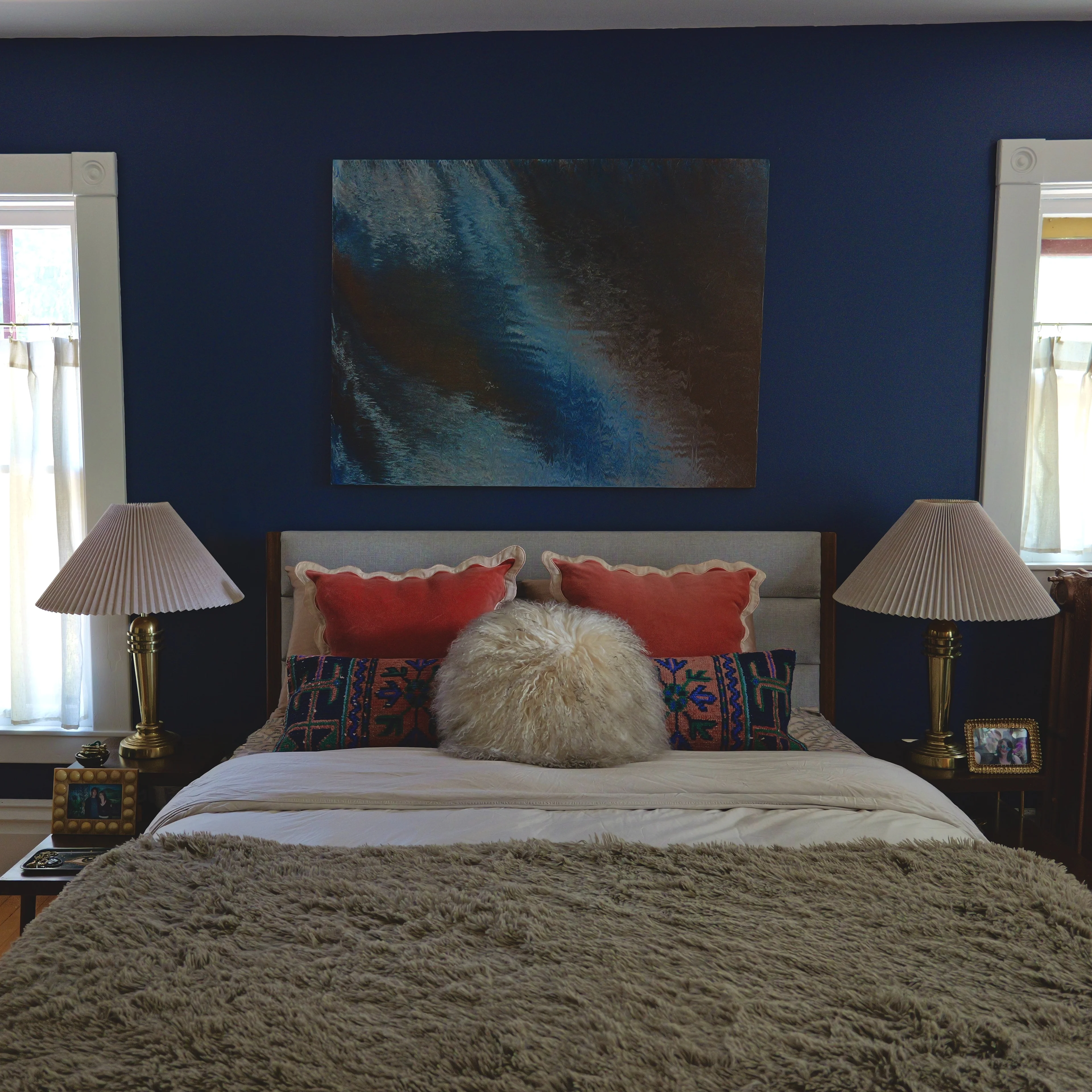
Confession: my own bedroom has a ceiling fan/light combo that I never, ever turn on at night. Not once. Instead I walk straight past the switch to my table lamps. That overhead light is just too harsh — it genuinely hurts my eyes. One overhead source is doing the absolute most and the least at the same time. It flattens a room and makes everything feel a little clinical.
The fix: layer in lamps at different heights, keep your bulbs warm (I use 2700K or lower, always), and put everything you can on a dimmer. It's a small switch (pun intended) that makes a room feel like a place to relax instead of a place to be interrogated.

3. Matchy-Matchy Furniture
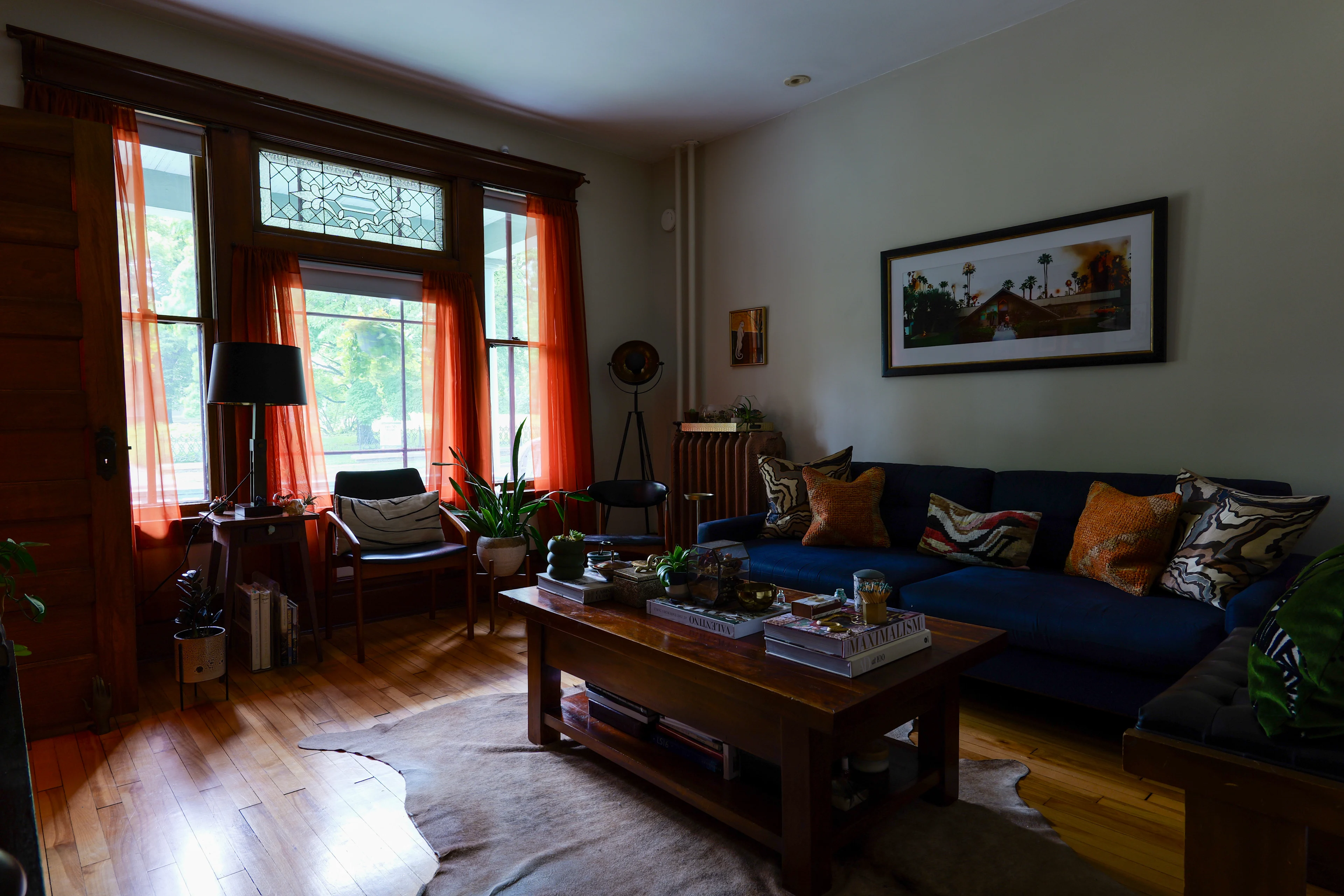
A full matching set reads as "furniture store showroom," not "someone lives here and loves it." Cohesion doesn't come from everything matching — it comes from a consistent color story and a balance of scale.
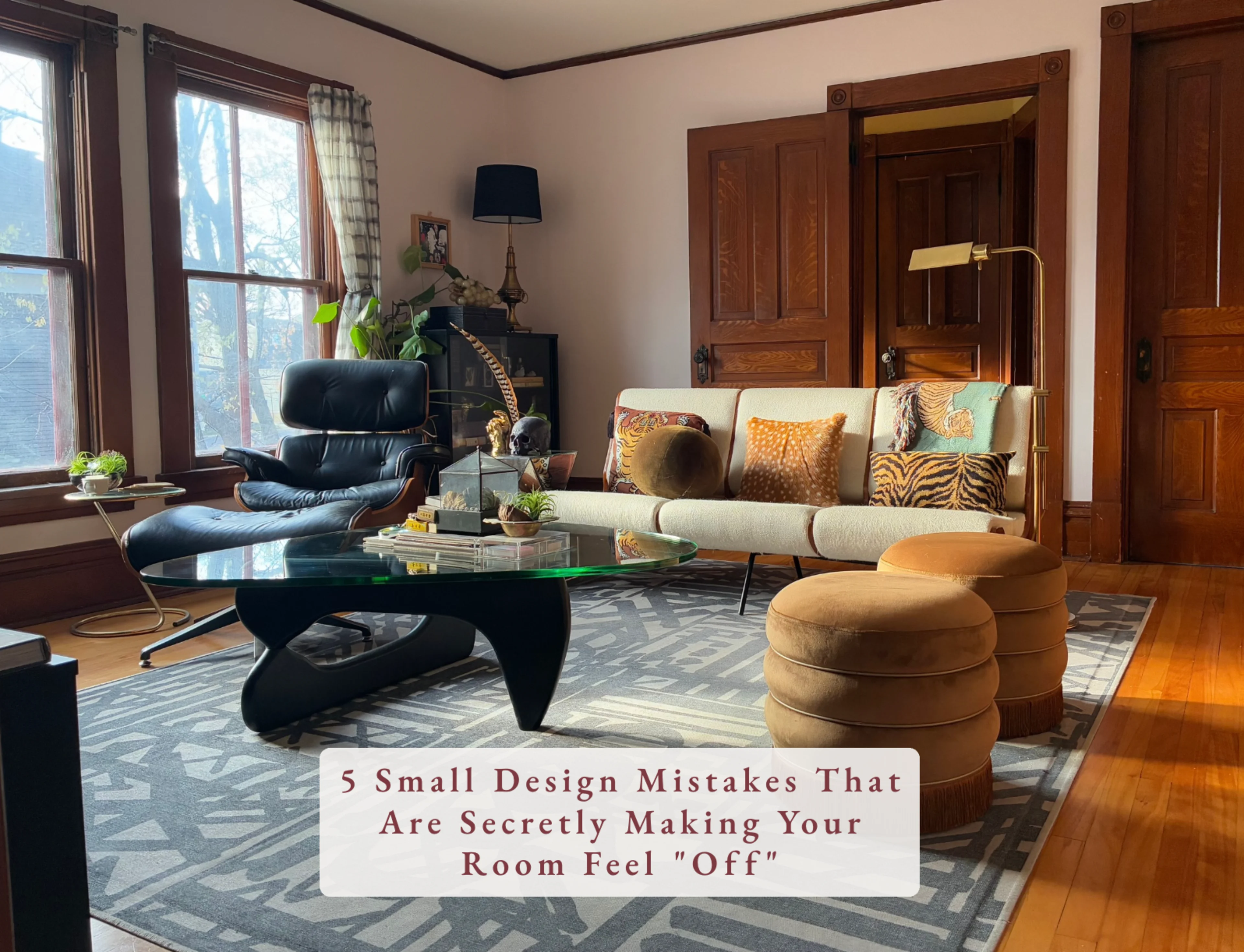
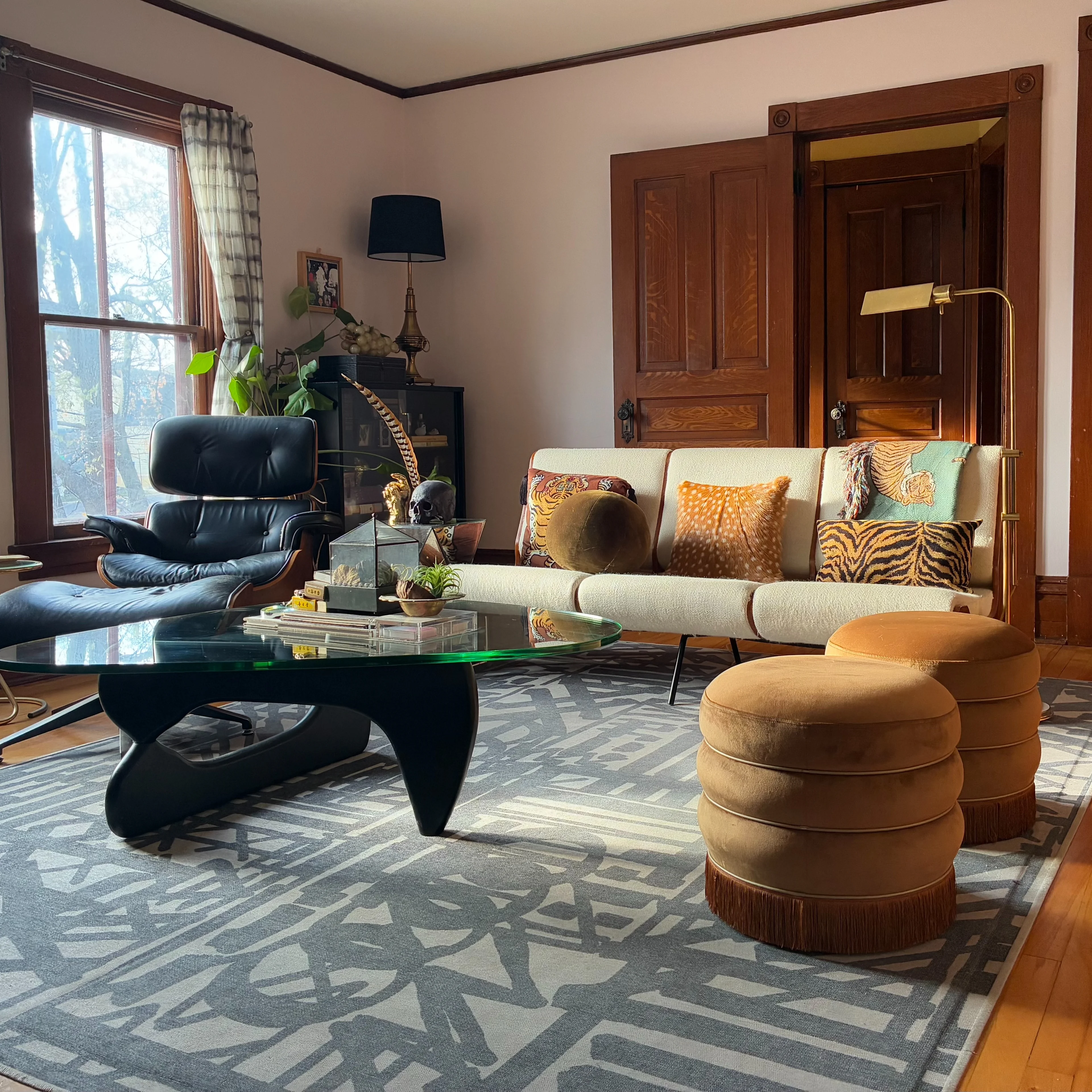
Here's an example from our own upstairs den: a mid-century sofa reupholstered in an ivory, stain-treated tweed, paired with a mid-century Eames lounge chair and a Noguchi-style coffee table, sitting on a graphic modern rug. Then in comes a traditional brass table lamp — totally overscale, arguably "too big" on paper — and it just works. A black lacquer curio cabinet adds another era into the mix. The tiger blanket and animal-print pillows tie back to a pattern that shows up throughout the house — proof that "neutral" doesn't have to mean beige, it can mean a print you repeat with confidence.
4. Ignoring the Bones of the Room
If your space has original trim, a stained glass window, an old radiator, exposed brick — anything with character — don't design around it like it's an inconvenience. Design with it. Those details are free personality. Let them be part of the story instead of something to hide.

5. Forgetting the Outdoors Counts Too
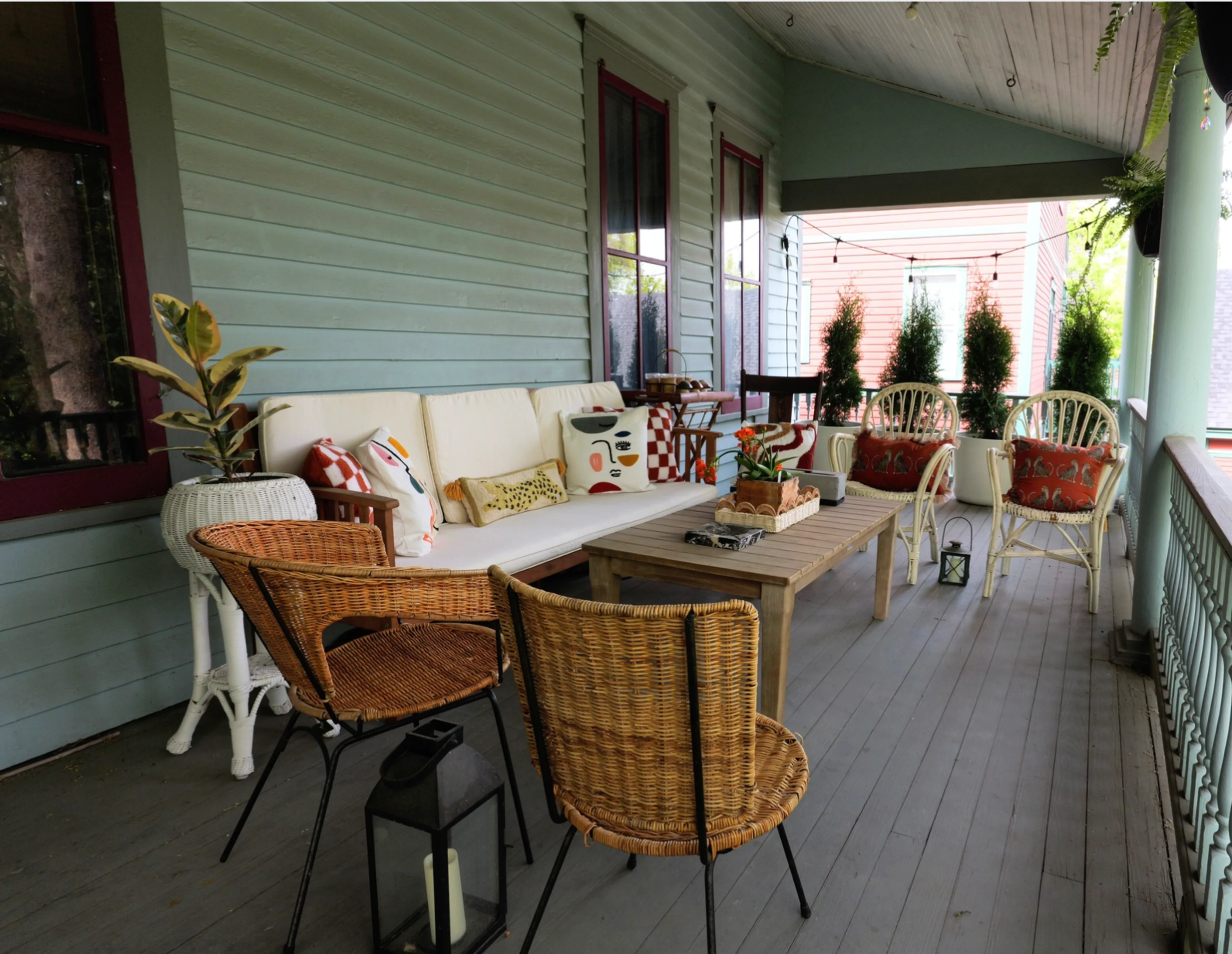
A porch or patio is still a room — it just happens to not have walls. The same rules apply: layer textures, add lighting, give every corner a job. A great outdoor space gets used a lot more than one that's an afterthought.
None of these fixes require a renovation or a big budget. Just a little intention in the corners you've been ignoring.
Want eyes on your own space? Reach out here — that's literally my favorite kind of problem to solve.