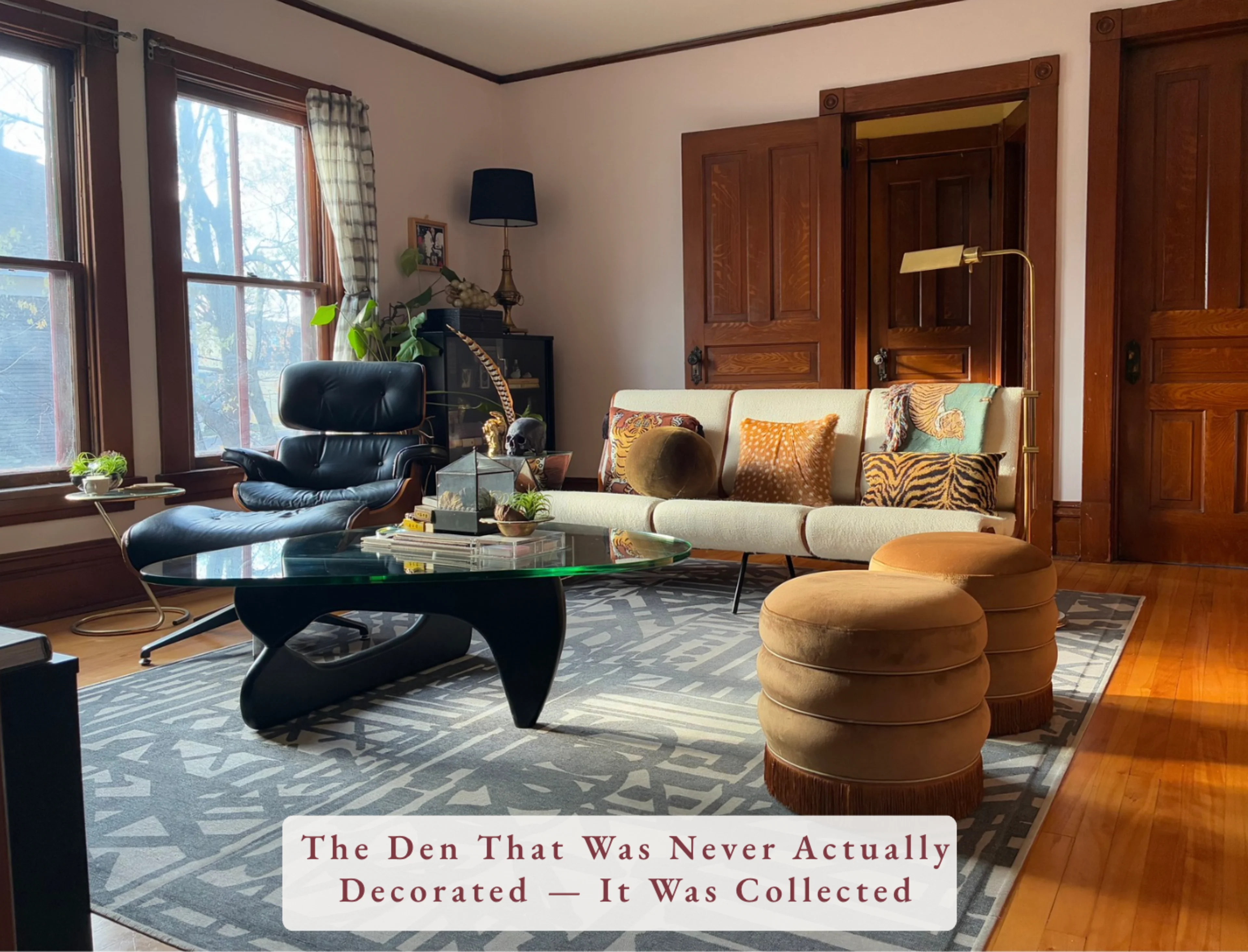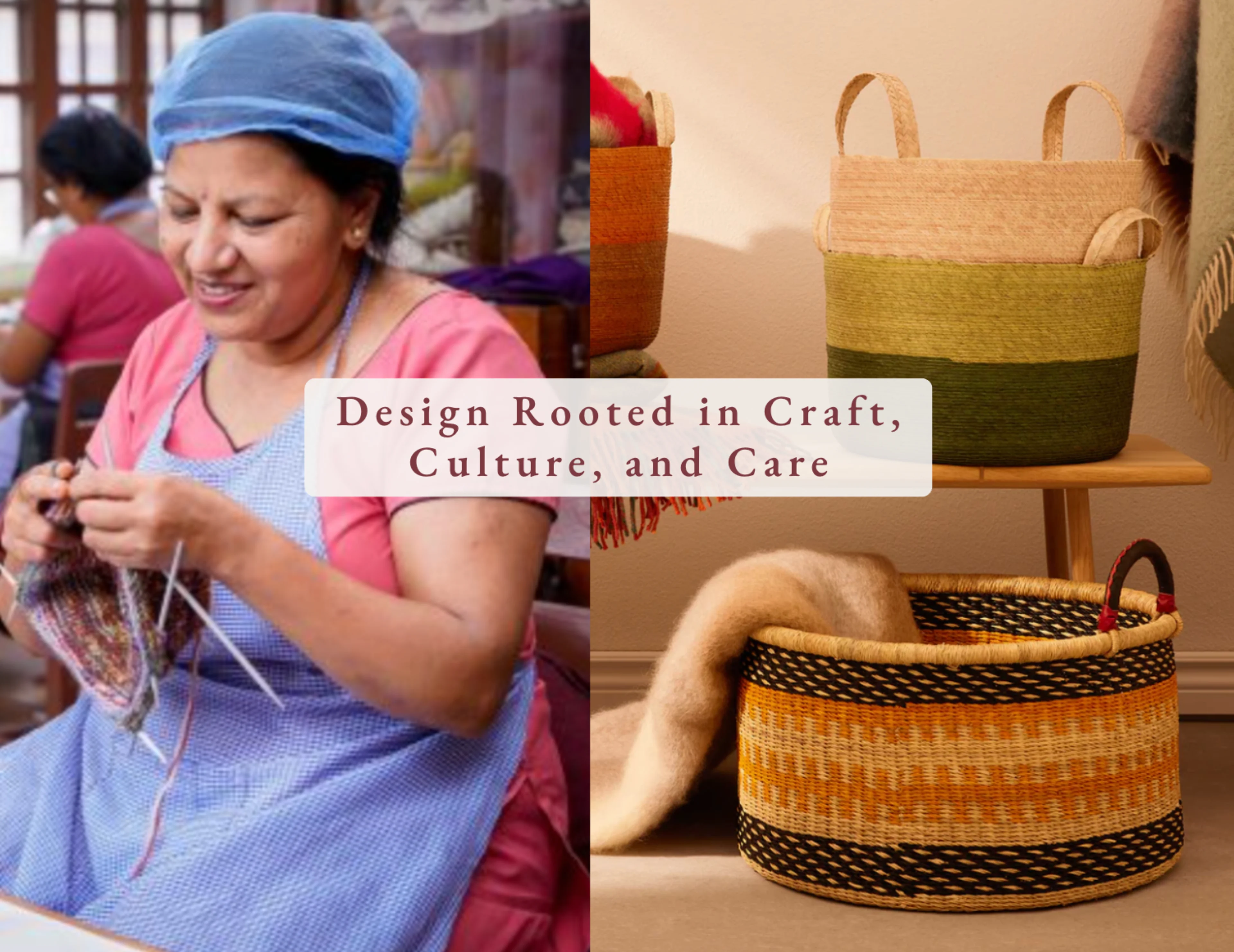
Design is never just about objects. It’s about hands, histories, and the communities that shape what we bring into our homes. Lately, I’ve been thinking a lot about craft — not as trend or aesthetic, but as something deeply human. The places and makers below are reminders that design is often rooted in tradition, resilience, and shared cultural knowledge.
This isn’t a shopping guide or a checklist. It’s a visual exploration of markets, makers, and platforms that celebrate global craft and support immigrant and refugee communities through meaningful work. Consider this an invitation to slow down, look closely, and appreciate the stories behind the things we live with.
1. Hmongtown Marketplace — St. Paul, Minnesota
Hmongtown Marketplace is one of the most vibrant cultural hubs in the Twin Cities. Founded by Hmong American entrepreneurs, it’s home to hundreds of vendors offering textiles, clothing, jewelry, produce, art, and handmade goods. Walking through the market feels like stepping into a living archive of tradition, color, and community.
From patterned fabrics to hand-crafted accessories, Hmongtown is a powerful example of how culture and commerce intertwine — and how design can serve as a bridge between generations.


2. Little Africa — St. Paul, Minnesota
Little Africa is an emerging cultural district shaped by African immigrant and refugee entrepreneurs. While not a single storefront, the neighborhood itself tells a story through its signage, murals, and gathering places. It’s a reminder that design lives beyond interiors — in streetscapes, community spaces, and everyday rituals.
Photographing Little Africa is about capturing atmosphere: texture, color, movement, and pride. It’s a place where culture is visible, alive, and evolving.

3. Minneapolis Craft Market — Minneapolis, Minnesota
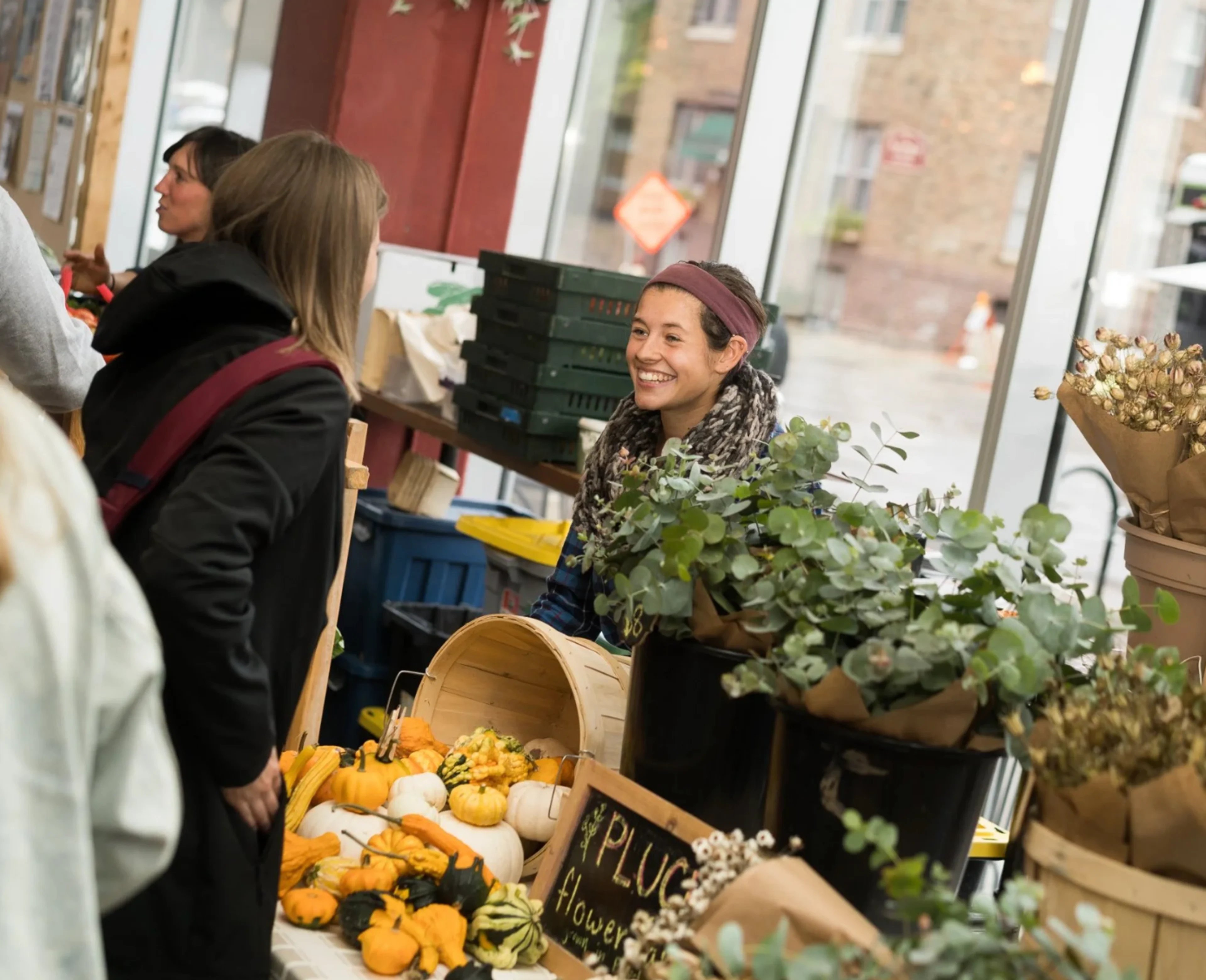
The Minneapolis Craft Market brings together independent makers from across the region. While not every vendor is immigrant-owned, the market has long served as a platform for diverse artisans — including many immigrant and refugee makers — to share their work directly with the community.
Ceramics, textiles, woodwork, and small-batch goods fill the booths, each piece reflecting a personal story and a commitment to craft. It’s a space where handmade design feels accessible, communal, and deeply intentional.
4. Goodee — Global Platform for Ethical Design
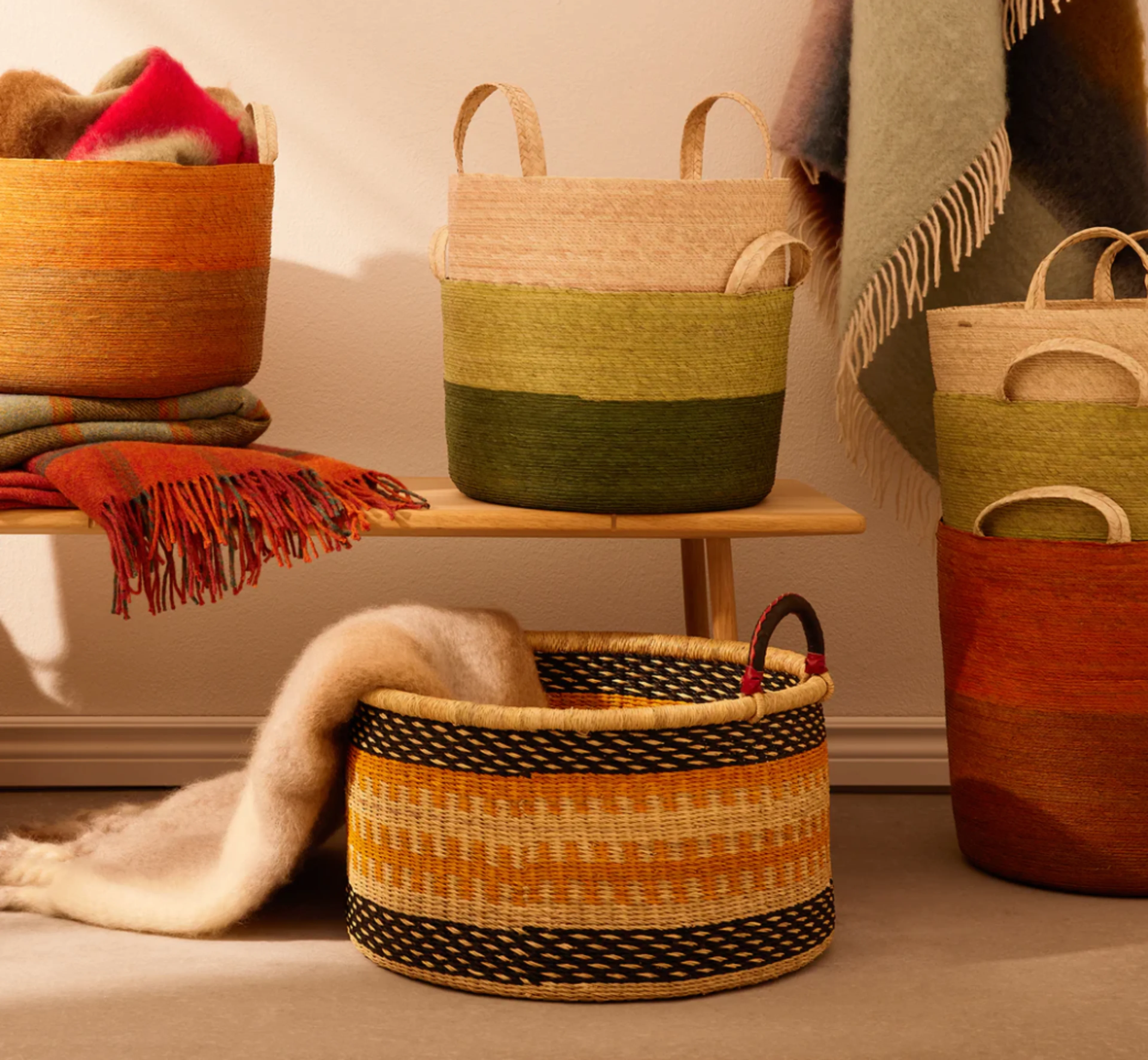
Goodee is a design platform that curates furniture, lighting, and home goods created by artisans around the world. Their focus on ethical production, sustainability, and social impact makes it a meaningful place to explore global craft through a design-forward lens.
Rather than centering trends, Goodee highlights the people and processes behind each piece — reminding us that good design can also be a form of care.
5. Refugee Artisan Initiative
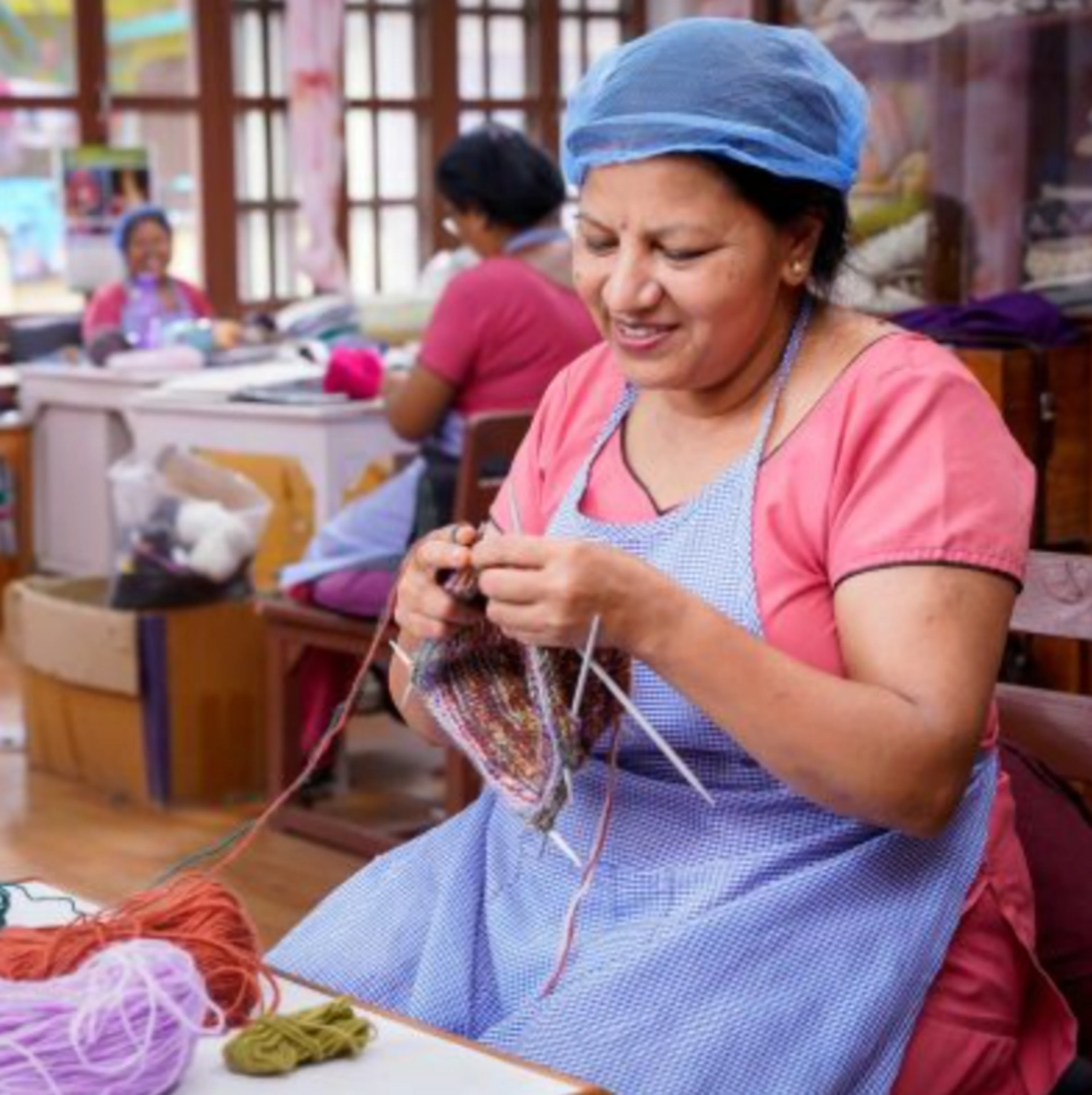
The Refugee Artisan Initiative partners with refugee and immigrant artisans — many of them women — to produce handcrafted goods that help artisans earn sustainable incomes. Their collections often include bags, accessories, home items, and textiles made with traditional techniques that carry cultural memory and craftsmanship.
This is design with purpose: objects that hold beauty and livelihood.


6. Someone Somewhere
Someone Somewhere is a Certified B Corporation that collaborates with artisans in Mexico to create textiles and clothing by hand. Their pieces reflect deep respect for craft tradition and offer a way to bring globally informed yet accessible design into everyday life. Supporting platforms like this means supporting makers whose techniques stretch back generations.

7. Ten Thousand Villages — Global Fair-Trade Collective
Ten Thousand Villages is one of the original fair-trade organizations, partnering directly with artisans around the world to bring handcrafted goods into everyday life. Their collections span home décor, ceramics, textiles, baskets, and small furnishings — pieces that feel grounded, tactile, and timeless.
What makes Ten Thousand Villages especially meaningful is its long-standing commitment to preserving traditional craft while ensuring artisans earn sustainable incomes. The result is design that feels both human and intentional: objects shaped by cultural knowledge, material honesty, and care for the people who make them.
This is craft with longevity — not just in quality, but in impact.

Why This Matters
Supporting craft rooted in culture isn’t about perfection or virtue signaling. It’s about choosing to value human labor, heritage, and creativity — especially in moments when community care feels urgent.
Whether you’re visiting a local market, exploring a cultural district, or simply pausing to appreciate the story behind an object in your home, these moments of attention matter. Design has always been a reflection of who we are and what we choose to protect.
Design, at its best, connects us — to people, to place, and to one another.